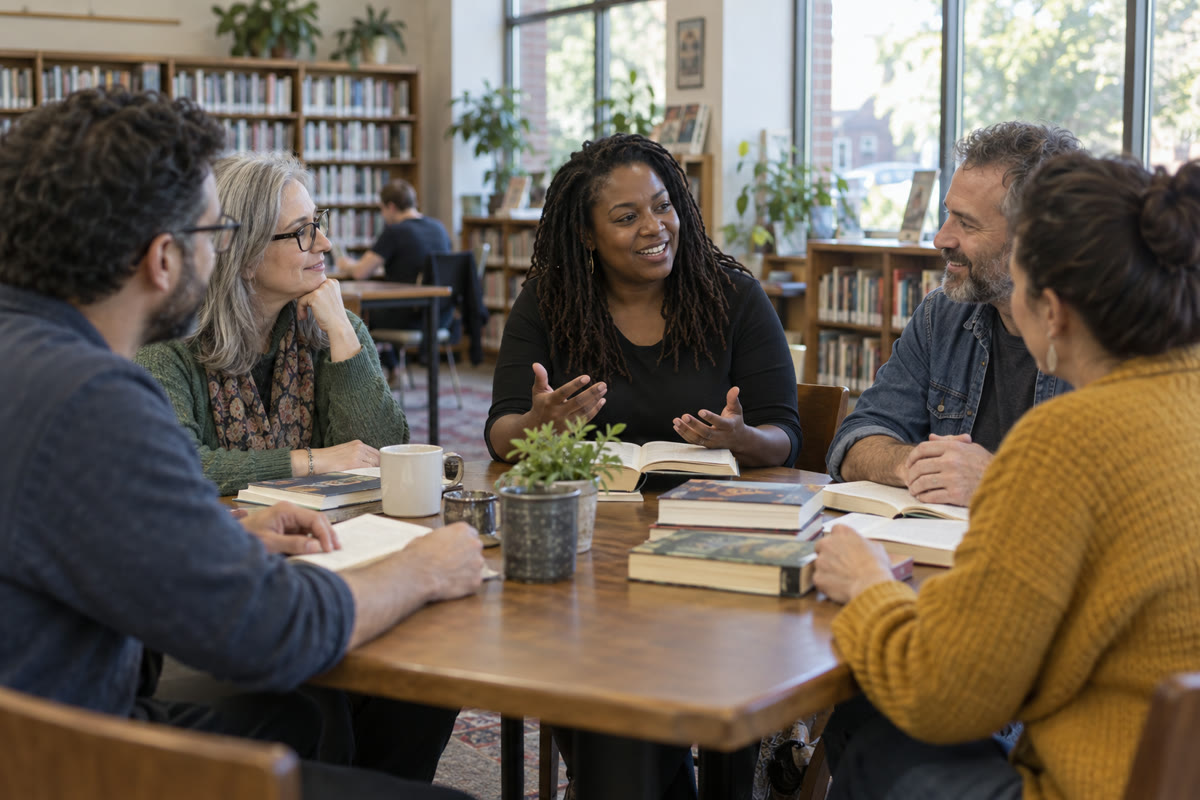
If dating apps feel unproductive, you can meet people without them. The change is not simply to “go outside.” Offline connections usually grow from repeated contact, shared activities, and enough room for a low-pressure conversation. You cannot control whether a particular person is interested, but you can create more chances to know people in settings you actually enjoy.
Start by widening your social life, not treating every stranger as a potential date. Friendship, community, and practice talking to new people are valuable even when no relationship follows. That makes the plan sustainable and respectful to everyone involved.
Choose places where people return
A recurring class, volunteer shift, walking group, community choir, library event, faith group, or hobby club can make conversation easier because you share a reason to be there. A one-time crowded event may produce a lively evening but little chance to reconnect. Choose one or two activities that fit your schedule and budget, then attend long enough to become familiar.
Pick something you would still value if you met no romantic prospect. You might learn a skill, make friends, or feel more connected locally. The CDC describes social connection as part of well-being; the benefit is broader than dating.
Make introductions ordinary
Ask about the shared activity before asking personal questions. “How long have you been coming to this group?” or “What did you think of the book?” is easier to answer than an abrupt request for a number. Offer a little information about yourself and notice whether the other person asks back. A brief, balanced exchange is a better signal than rehearsed charm.
Do not use every group as a hunting ground. Respect the event's purpose and its rules. If someone seems busy, gives short answers, turns away, or says no, let the conversation end. Their attendance is not consent to be approached repeatedly.
Let your network know you are open
Friends and colleagues may know people who would enjoy meeting you. Tell trusted people what kind of introduction you would welcome and what would feel uncomfortable. “I am open to a low-key coffee with someone kind and curious” is more useful than “find me anyone.” Avoid pressuring a mutual friend to promise compatibility.
When introduced, keep your expectations modest. A friend can tell you why they thought you might get along, but you and the other person still need to decide for yourselves. Make it easy for everyone to decline without social fallout.
Turn a good conversation into an invitation
If there is mutual warmth and you have spoken more than once, make a simple, specific offer: “I have enjoyed talking with you after class. Would you like to get coffee this weekend?” A clear invitation is kinder than weeks of indirect hints. Give them space to answer and accept a no or an uncertain answer without bargaining.
One person may prefer to exchange numbers first; another may want another group conversation. Follow the actual response. If they agree, set a public, comfortable first meeting. The first-date planning guide can help keep it simple.
Use community spaces with care
Workplaces, gyms, and volunteer organizations can create ongoing contact, but they also involve boundaries. Consider power differences, workplace policy, and whether an invitation could make someone feel trapped in a place they need to attend. One respectful invitation may be appropriate in some settings; repeated pursuit after a no is not.
Keep safety in mind when a connection moves beyond the group. Meet in public at first, arrange your own transport, and share plans with a trusted person. Offline introductions are not automatically safer than app dates simply because you met through a shared activity.
Give the plan time and adjust
Try a small eight-week experiment: attend one recurring activity weekly, speak with one new person each time, and follow up with people you genuinely enjoy. Do not count every conversation as a failed date if it stays friendly. At the end, ask whether the setting was enjoyable and whether you met people you would like to know better.
If your town has few events, look for nearby community centers, adult education, library calendars, or interest groups. If access, disability, transport, or care duties limit in-person options, a hybrid group or introduction through friends may work better. The point is a repeatable path to connection, not a rule against technology.